
The Kudzu Conundrum
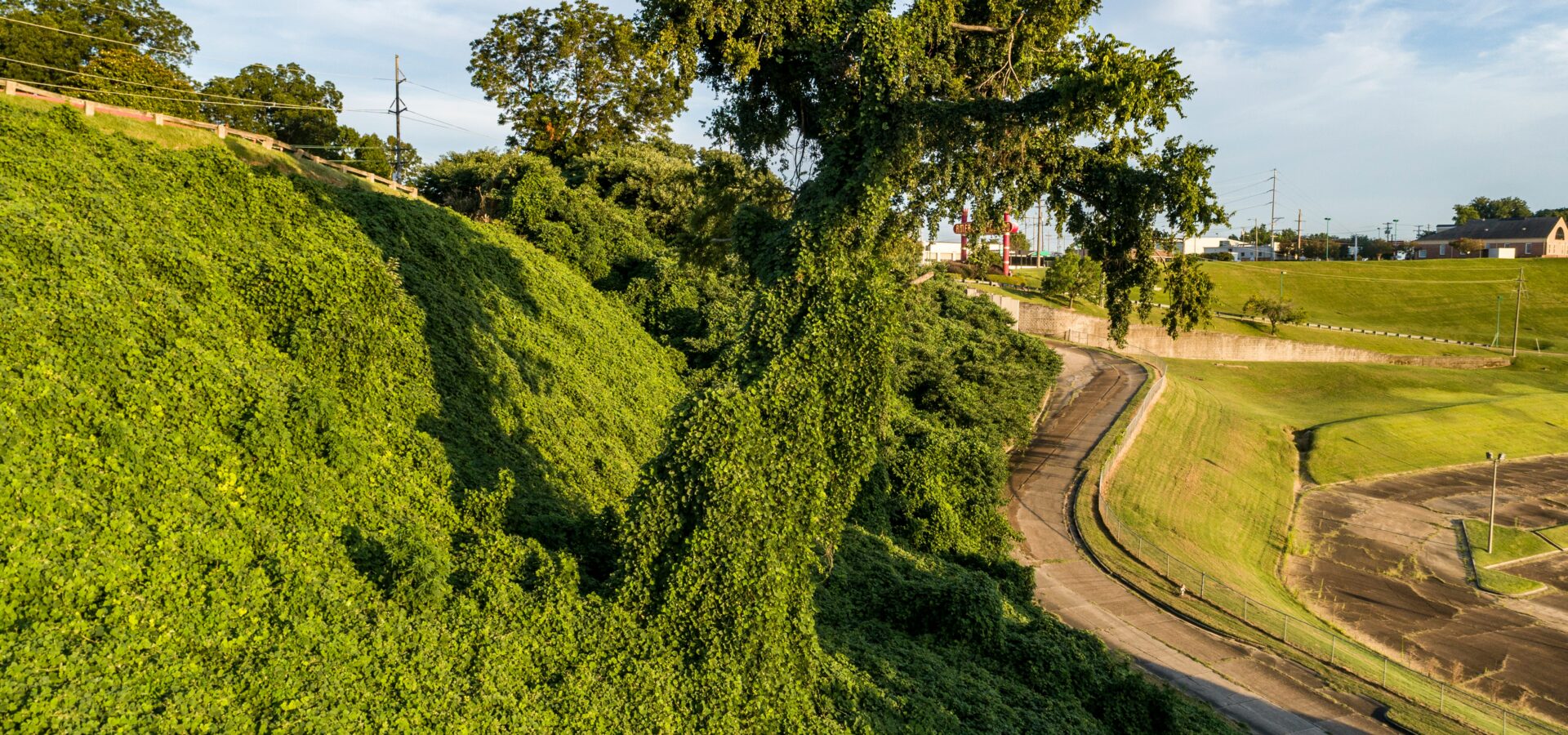
Since its introduction to the American Southeast in the late 1800s, kudzu has gained a reputation as the “vine that ate the South.” And that reputation is not unwarranted! Kudzu is an extremely hardy invasive plant that spreads quickly and seems to take over everything in its path. Its original purpose was to help control erosion, but its aggressive growth quickly made it another problem to conquer. It crowds out beneficial native plants, damages forests, brings down trees, and – if left ignored – can destroy important manmade infrastructure, including buildings and power lines.
Understanding Kudzu’s Impact
The pervasive spread of kudzu is not just a visual blight but also a serious environmental and economic concern. Our kudzu biology and Georgia identification guide explains how the vine’s unique biological adaptations make it so relentless. The vine can grow up to 12 inches per day under ideal conditions. Its extensive root system, reaching depths of up to 60 feet, allows it to store energy reserves and sprout back readily after control attempts. It’s difficult for more delicate plants to succeed against such competition. Over time, places where kudzu thrives lose their biodiversity.
The damaging effects of kudzu overgrowth are more than ecological. Research into how invasive plants affect property values shows that business owners increasingly find their livelihoods at stake, as kudzu has been documented as a cause of costly damage to power lines, homes, and other buildings. In fact, a recent 2023 study found that kudzu is responsible for over 400 billion dollars in economic damage globally each year.
Ground Force’s Approach to Kudzu Control
At Ground Force, we emphasize integrated vegetation control best practices in our efforts to kill kudzu overgrowth. While total eradication is often extremely difficult, we make every effort to strategically apply a variety of management techniques to manage kudzu overgrowth with efficiency.
Mechanical Removal
The first step in controlling kudzu is physical removal. This labor-intensive process involves cutting the vines just above ground level and removing as much of the root system as possible to prevent regrowth. Continuous monitoring and removal of new shoots are crucial, as kudzu roots are notoriously resilient.
Selective Herbicides
When mechanical methods alone are insufficient, we employ selective herbicides that target kudzu without harming other plants. These herbicides are applied carefully to minimize impact on the surrounding environment. The “cut-stump” technique is often used: vines are cut near the base, and herbicide is immediately applied to the exposed stem. This ensures the herbicide reaches the root system. Timing and precision in application are key factors in ensuring that herbicides are effective and that non-target species are protected. These same principles inform our approach to invasive plant control and strategies for highways, as well as our cogongrass identification and control guide, since overlapping infestations across Georgia often require equally rigorous chemical management.
Long-Term Management Plans
Given kudzu’s persistence, long-term management strategies are essential. We work with property owners to develop customized management plans that include regular monitoring and a combination of mechanical and chemical control methods tailored to specific infestation levels and landscape features. Understanding regulated invasive plants by property type is an important part of that planning process, as is addressing Chinese privet removal challenges in Georgia, since privet frequently re-establishes alongside kudzu and compounds the difficulty of achieving lasting results.
Professional Kudzu Management
Many homeowners throughout Georgia and the rest of the Southeast have tried dozens of strategies for getting rid of kudzu on their property. Even with the most diligent management efforts, it can take years to eliminate kudzu, especially in places where it has been growing for a long time. A complete recovery plan should also consider replanting natives after invasive clearance, so that desirable species can reclaim the ground kudzu once occupied. And that’s just for the backyard!
When it comes to controlling invasive vines on commercial properties such as small businesses, industrial complexes, and airports — the many commercial areas that Ground Force specializes in supporting — the work it takes to eliminate kudzu multiplies tenfold. Controlling invasives on commercial industrial land requires a level of scale and expertise that goes far beyond a DIY approach, which could end up costing you several years and many thousands of dollars over time. Working with a professional team like Ground Force can help eliminate kudzu overgrowth in a more efficient and affordable way.