Elevate Your Operations with an End-of-Year Vegetation Site Audit
As the year comes to a close, utilities, municipalities, and commercial property leaders face one of the most overlooked opportunities for improving operational safety and reducing long-term costs: an end-of-year vegetation site audit.
This annual review is more than just a housekeeping exercise. It’s a strategic tool that helps organizations evaluate performance, prepare for upcoming RFP cycles, and strengthen partnerships with the right vegetation management service provider in Georgia.
When conducted with a clear framework and long-range perspective, a vegetation site audit can uncover hidden risks, improve compliance, and lay the foundation for an effective year-round vegetation management plan.
Why an End-of-Year Vegetation Audit Matters
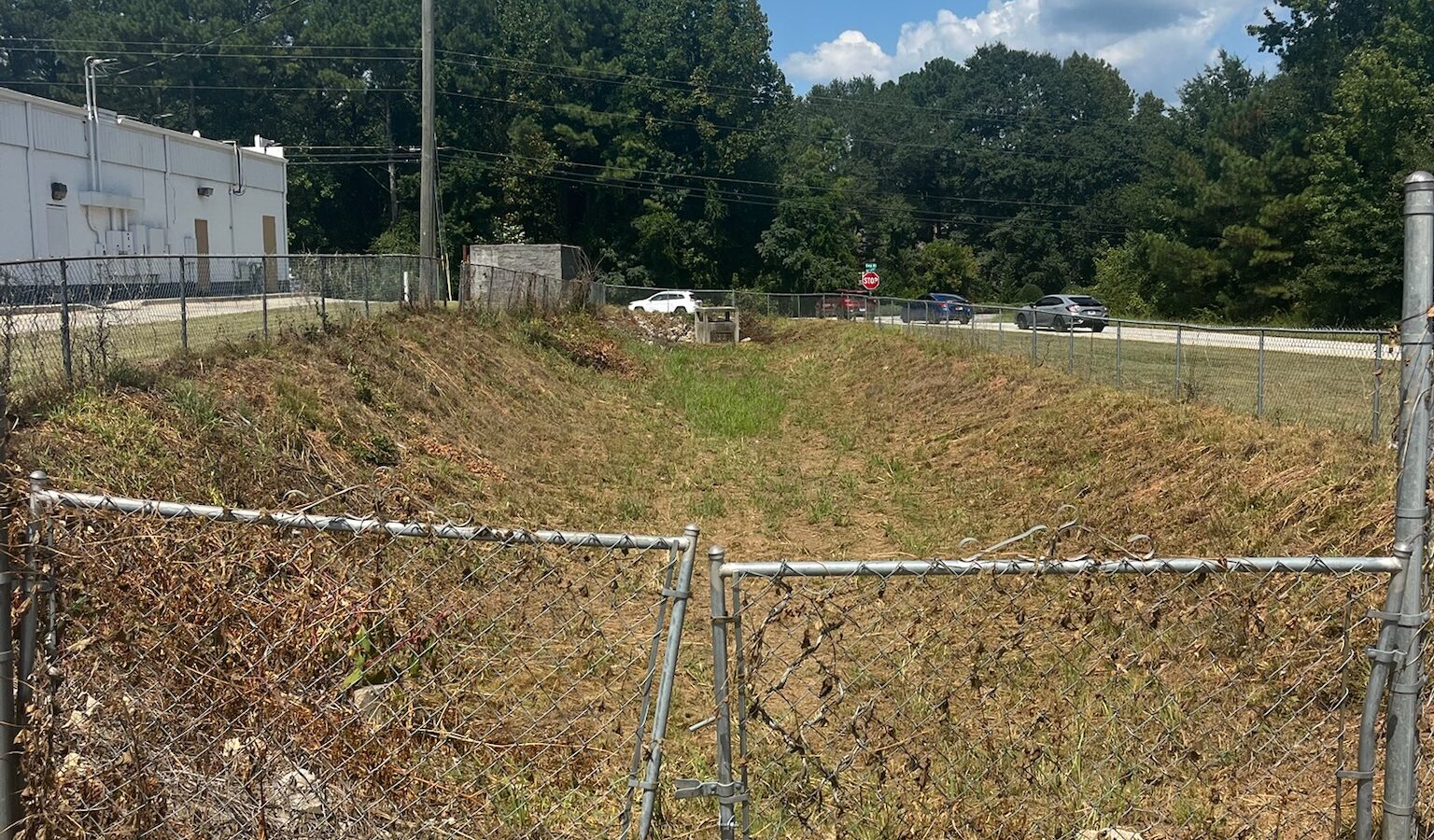
Whether you manage utility corridors, roadside rights-of-way, municipal parks, railways, or large commercial properties, unmanaged vegetation creates escalating risks. Overgrowth can obstruct visibility, damage infrastructure, increase wildfire potential, and contribute to service interruptions.
An annual audit provides a snapshot of your current vegetation conditions and helps determine:
-
How well your existing provider performed
-
Whether your long-term vegetation control contracts are delivering value
-
What improvements or updated strategies you need in the coming year
-
Which sites are most vulnerable heading into the dormant season
This data-driven approach equips your team to make informed decisions before entering the next contract term and the next storm season.
Key Components of a Vegetation Site Inspection Checklist
A structured vegetation site inspection checklist ensures consistency across all properties and service areas. Here are the core elements that utilities and municipalities should include:
1. Hazard Identification
Look for vegetation encroaching on utility lines, signage, equipment, or roadways. Document:
-
Overhanging limbs
-
Invasive species
-
Brush accumulation
-
Dead or declining trees
-
Visibility issues at intersections or curves
2. Regulatory and Compliance Review
Confirm that mowing, trimming, herbicide applications, and debris removal meet local, state, and federal guidelines.
3. Work Quality Evaluation
Assess the performance of your current vegetation management provider:
-
Were services completed properly and on the agreed-upon schedule?
-
Were treatments and herbicides applied correctly?
-
Did the provider adhere to safety protocols?
-
Was communication timely and clear?
4. Long-Term Risk Assessment
Identify recurring problem areas, high-growth zones, or erosion-prone sites that may require additional planning or enhanced solutions.
5. Budget and Resource Alignment
Determine whether current spending aligns with the complexity of your vegetation needs, and identify where strategic adjustments could deliver better results.
A thorough checklist not only ensures accuracy but also creates documentation you can use for next year’s vegetation management RFP process.
Using Your Audit to Strengthen the RFP Process
As many organizations finalize budgets and bid cycles at year-end, the audit becomes a powerful tool for procurement and planning. A well-executed audit helps you:
-
Clarify service expectations in measurable terms
-
Set performance benchmarks for incoming proposals
-
Avoid vague or open-ended scopes that lead to inconsistent results
-
Identify specialized services needed in the coming year (e.g., herbicide programs, mechanical brush clearing, selective trimming, etc.)
When you move into contract reviews or open bids, you’ll have hard data that supports better vendor selection—not guesswork.
Evaluating Your Vegetation Management Service Provider
Not all vegetation contractors deliver the same level of quality, responsiveness, or technical capability. Your annual site audit is the best time to evaluate whether your partner is meeting the demands of your environment and infrastructure.
Ask yourself:
-
Did the provider deliver on all commitments within the contract?
-
Did they help reduce long-term vegetation pressure or only provide short-term fixes?
-
Were problems addressed proactively or only after they became urgent?
-
Did the provider handle reporting, communication, and documentation professionally?
If the answers fall short, it may be time to consider a provider with more experience in long-term vegetation control contracts and municipality/utility-specific requirements.
Planning for a Year-Round Vegetation Management Plan
A successful audit should directly inform your year-round vegetation management plan, ensuring that your strategy addresses the full lifecycle of vegetation, not just peak season growth. Your plan should include:
-
Dormant-season herbicide programs
-
Scheduled mowing and trimming
-
Selective brush removal
-
Follow-up inspections
-
Reporting and compliance checkpoints
A year-round approach is the most reliable way to reduce risk, improve infrastructure reliability, and stay compliant with evolving regulations.
The Importance of Consistent Monitoring
Consistent monitoring is vital for effective vegetation management. Regular checks can help identify potential issues before they escalate. This proactive approach not only saves time but also reduces costs associated with emergency interventions.
1. Seasonal Adjustments
As seasons change, so do vegetation growth patterns. Understanding these patterns allows for timely interventions. For example, spring may require more frequent trimming, while fall might focus on clearing debris.
2. Community Engagement
Engaging with the community can provide insights into local vegetation issues. Residents often notice changes that may not be immediately visible to management teams. Encouraging feedback can foster a collaborative approach to vegetation management.
Partner with Ground Force for Reliable Year-End Audits and Long-Term Vegetation Control
Ground Force is trusted by utilities, municipalities, and commercial organizations across Georgia for delivering safe, compliant, and highly efficient vegetation management services. Our team supports every stage of your strategy—from conducting comprehensive site audits to developing annual plans and managing multi-year vegetation control contracts.
If you’re preparing for your next audit or upcoming vegetation management RFP cycle, we can help you start the year with clarity, confidence, and a partner you can rely on.
Contact Ground Force today to schedule your end-of-year vegetation site audit and build a vegetation management plan that protects your infrastructure all year long.