Fence Lines as Infrastructure: Why Commercial Properties Need a Smarter Vegetation Control Strategy
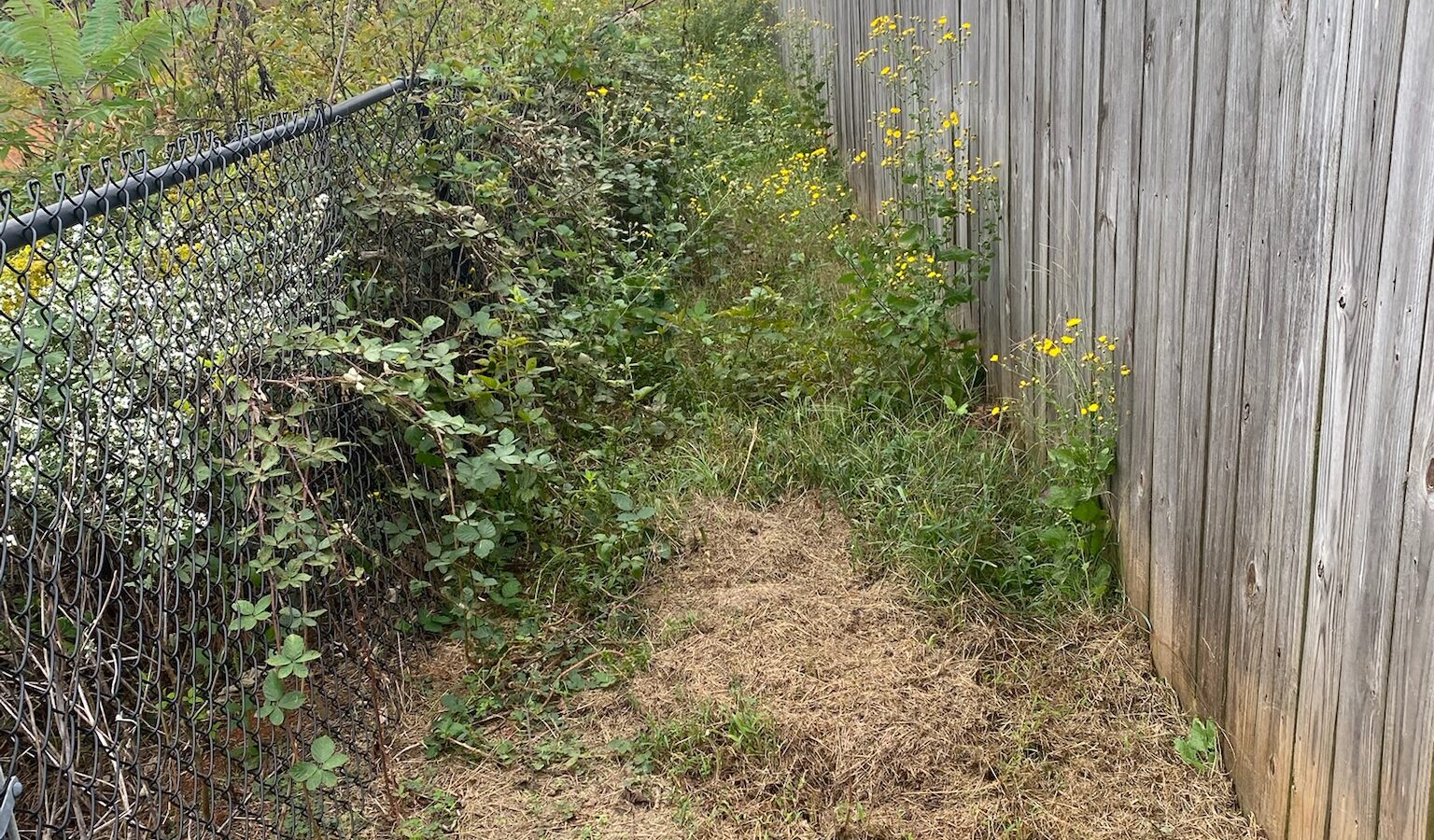
Fence lines are often treated as a last priority on commercial and industrial properties—cleared only when weeds become visibly overgrown or access becomes difficult. But for business owners, facility managers, and land managers, fence lines are more than boundaries. They are working infrastructure that play a direct role in site safety, security, compliance, and long-term asset protection.
When vegetation along fence lines is unmanaged, the result isn’t just an unkempt perimeter. It’s accelerated fence deterioration, higher liability exposure, and recurring maintenance costs that could have been prevented with a smarter vegetation control strategy.
Why Fence Lines Become Problem Areas First
Fence lines create ideal conditions for aggressive weed growth. Soil is often disturbed during installation, water tends to collect along edges, and routine mowing equipment may not reach tight perimeter areas. Over time, these factors allow invasive species and woody vegetation to take hold faster than in open turf areas.
Because fence lines sit at the edge of daily operations, they’re frequently excluded from standard maintenance schedules, making them one of the first places vegetation control breaks down.
The Operational Risks of Unmanaged Fence Line Vegetation
Overgrown fence lines create real operational challenges for commercial and industrial properties, including:
-
Reduced visibility along access roads, loading areas, and security perimeters
-
Increased fire risk, especially where dry vegetation accumulates near equipment or structures
-
Pest and wildlife harborage, which can migrate deeper into the site
-
Compromised inspections, making it harder to identify damage, breaches, or erosion
According to the U.S. Department of Agriculture, unmanaged invasive vegetation can spread rapidly along areas like fence corridors, increasing long-term control costs if left untreated.
How Vegetation Shortens Fence Lifespan
Vegetation doesn’t just grow around fence lines—it actively works against them.
-
Roots displace fence posts, loosening footings and weakening stability.
-
Moisture retention accelerates corrosion on metal fencing and fasteners.
-
Vines and woody growth apply constant pressure, bending panels and stressing component connections.
-
Debris buildup hides early signs of damage, delaying repairs until a full replacement is required.
Replacing fence sections or entire fences is significantly more expensive than maintaining clear, controlled perimeters. Proactive vegetation control protects the fence itself—not just the surrounding land.
Why Fence Line Weed Control Fails Without a Plan
Many properties rely on reactive clearing: trimming or weed-whacking only when growth becomes noticeable. While this may offer short-term visual improvement, it rarely addresses the heart of the problem, and it typically leads to increased spending.
Without targeted herbicide applications and seasonal planning, trimmed vegetation often regrows faster and denser than before. This cycle leads to:
-
More frequent service calls
-
Higher annual maintenance costs
-
Inconsistent results across the property
Fence lines should be integrated into a year-round vegetation management plan, not treated as occasional cleanup zones. Planned control reduces regrowth and stabilizes long-term budgets.
What Commercial Fence Line Inspections Should Include
Fence lines are a valuable indicator of overall vegetation program health. Here’s what should be assessed during routine inspections:
-
Weed density and species type (annual vs. invasive vs. woody growth)
-
Signs of fence stress, including leaning, breaking, or corrosion
-
Drainage or erosion issues
-
Proximity to utilities, access points, or high-traffic areas
-
Patterns of recurring growth that signal deeper control issues
These inspections support better decision-making during budget reviews and vendor evaluations. They also help your vegetation management company establish a more comprehensive plan from the start.
Fence Lines and Vendor Performance Evaluation
Fence line conditions often reveal how well a vegetation contractor is performing.
When evaluating a provider, ask:
-
Are fence lines included in routine service or treated as add-ons?
-
Is vegetation control proactive or purely reactive?
-
Are herbicide applications targeted and documented?
-
Are recurring issues tracked and addressed over time?
Fence lines should be part of any vegetation management review or contract renewal discussion. Consistent perimeter results signal a contractor who understands long-term control—not just short-term appearance.
Integrating Fence Lines Into Long-Term Vegetation Control Contracts
Including fence lines in long-term vegetation control contracts provides measurable advantages:
-
Predictable maintenance costs
-
Fewer emergency clearings
-
Improved compliance and inspection readiness
-
Extended fence lifespan
Experienced providers will schedule fence line treatments seasonally, using a combination of mechanical clearing and selective herbicide control based on growth cycles. This approach aligns with best practices outlined by organizations such as the Georgia Soil and Water Conservation Commission, which emphasizes managed vegetation to reduce erosion and long-term site damage.
Why Commercial and Industrial Sites Need a Different Approach
Unlike residential properties, commercial and industrial sites face:
-
Larger perimeters and longer fence runs
-
Higher liability exposure
-
Safety requirements for crews working near equipment or traffic
-
Regulatory and insurance expectations
Fence line vegetation control needs to be handled by professionals experienced in industrial environments—not treated as basic grounds maintenance.
Treat Fence Lines Like the Assets They Are
Fence line vegetation issues are rarely isolated. They’re often the first sign that a vegetation management program needs adjustment. Addressing them strategically protects infrastructure, improves safety, and reduces long-term costs.
Ground Force specializes in industrial and commercial vegetation control, helping Georgia businesses integrate fence line maintenance into comprehensive, year-round management programs.
If fence lines are consistently falling behind on your property, it may be time for a smarter approach.
Contact Ground Force to schedule a site evaluation and develop a vegetation management plan that protects your entire perimeter—for today and the future.