How Vegetation Overgrowth Increases Liability for Utilities and Municipalities
Across Georgia, local governments and utility providers are responsible for more than just keeping the lights on or maintaining safe roadways. They’re also responsible for reducing risks that can lead to accidents, outages, and even wildfires. One of the most overlooked threats in this equation is vegetation overgrowth.
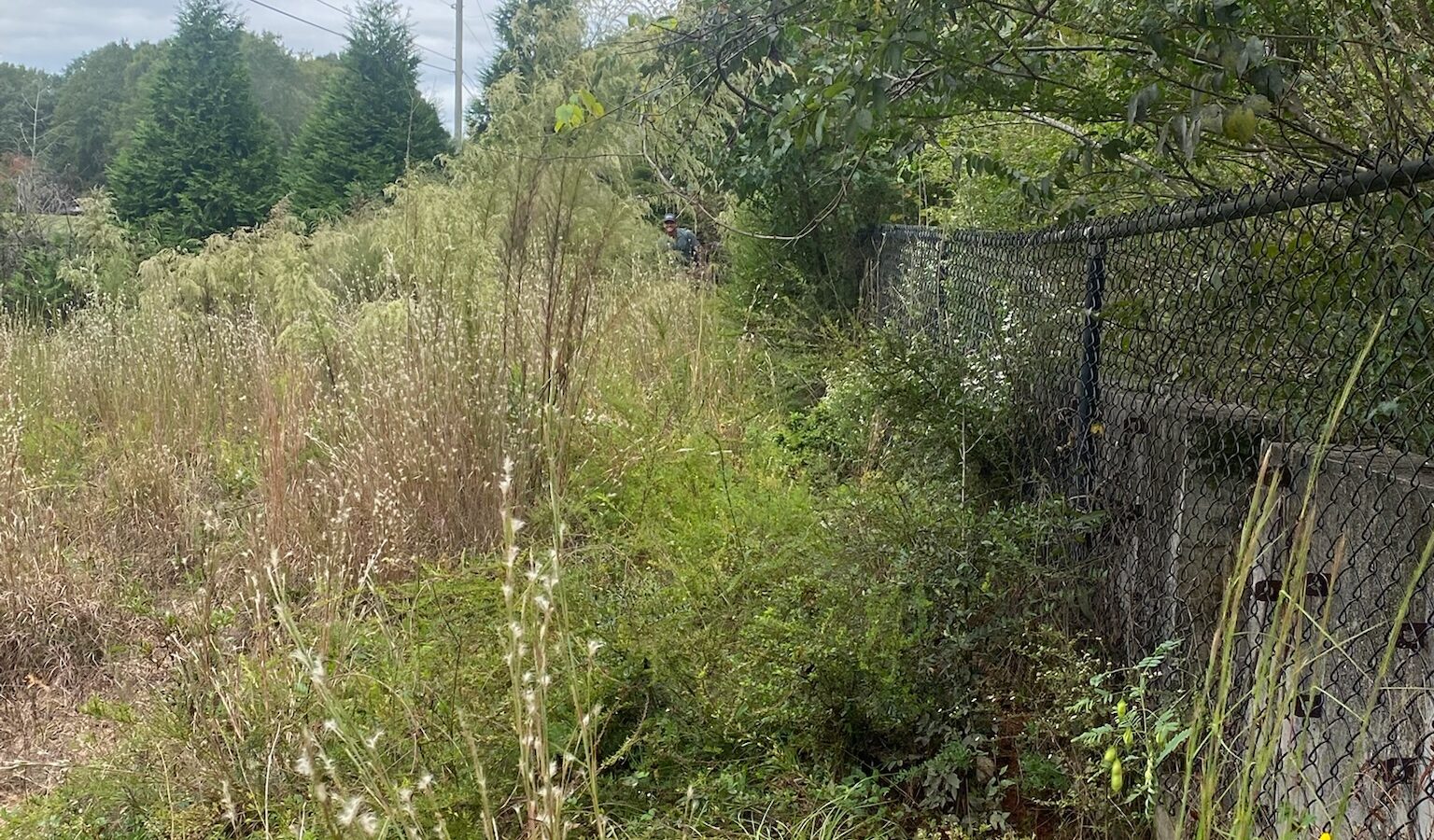
Without consistent utility line vegetation clearing and roadside vegetation control, unmanaged growth can quickly create costly liabilities. From downed power lines and blocked visibility to wildfire hazards, failing to maintain vegetation can endanger both public safety and municipal budgets.
As the growing season winds down and Georgia approaches its dormant period, now is the ideal time to assess risks, plan ahead, and schedule vegetation hazard mitigation.
The Hidden Costs of Overgrowth
What begins as a patch of tall grass or brush can quickly escalate into a safety or compliance issue. For utilities, overgrown trees and brush near power lines pose one of the greatest risks of all: wildfire ignition and power outages. During dry fall conditions, a single limb brushing a high-voltage line can cause sparks capable of igniting acres of land within minutes.
According to the U.S. Forest Service, vegetation management is one of the most effective strategies for wildfire risk vegetation removal, especially in southern states where heat and drought conditions can rapidly elevate fire danger.
For municipalities, overgrowth can block sightlines at intersections, obscure traffic signage, and reduce roadside visibility for both drivers and pedestrians. These hazards increase the risk of accidents—and with them, potential liability claims for negligence.
In short, neglecting vegetation doesn’t just impact aesthetics. It impacts safety, compliance, and bottom lines.
Liability and Regulatory Pressure
In Georgia, both utilities and municipalities face increasing scrutiny from regulatory agencies and insurance providers. Failure to follow established vegetation management standards can expose organizations to:
-
Regulatory penalties for noncompliance with environmental or safety standards
-
Insurance premium hikes due to documented fire or accident risks
-
Legal claims arising from preventable damages, such as fires caused by contact between vegetation and electrical equipment
-
Service disruptions that harm community trust and incur costly emergency response fees
For electric utilities, federal reliability standards from NERC (North American Electric Reliability Corporation) require vegetation clearances along transmission corridors. Municipalities managing rights-of-way must also maintain clear visibility for safety compliance and avoid obstruction of critical signage.
Partnering with professionals in commercial brush clearing services ensures compliance while protecting community infrastructure.
Why Fall Is the Best Time for Preventive Clearing
As fall sets in across Georgia, vegetation growth slows, but the work of managing it is far from over. In fact, fall is one of the most strategic times for utility line vegetation clearing and roadside vegetation control.
Here’s why:
-
Easier Access and Efficiency – Drier conditions and reduced foliage make it easier for crews to reach problem areas and perform thorough vegetation hazard mitigation without excessive interference from dense growth.
-
Risk Reduction Before Dormant Season – By removing dead or overgrown brush before winter dormancy, utilities and municipalities reduce fuel loads that could become ignition sources during dry winter spells or early spring.
-
Improved Safety and Visibility – Clearer rights-of-way improve line-of-sight for both maintenance teams and motorists, reducing accident risk and ensuring compliance with visibility requirements.
-
Lower Maintenance Costs – Clearing now helps prevent more expensive emergency work later—such as tree removal after ice storms or post-fire recovery.
In other words, fall vegetation management is proactive rather than reactive. It’s a cost-effective way to safeguard people, property, and power systems.
The Ground Force Approach
At Ground Force, we specialize in providing commercial brush clearing services across Georgia for utilities, municipalities, businesses, and property owners. Our team understands that effective vegetation control isn’t just about mowing—it’s about long-term risk management and operational reliability.
Our comprehensive services include:
-
Utility line vegetation clearing to prevent outages and improve grid reliability
-
Wildfire risk vegetation removal in high-hazard zones and rural rights-of-way
-
Roadside mowing and trimming to maintain driver visibility and public safety
-
Vegetation hazard mitigation for transmission corridors, drainage areas, and retention ponds
Each project is customized to your property type, compliance requirements, and environmental considerations.
To learn more about how Ground Force manages vegetation in right-of-way areas and beyond, visit our Right-of-Way Vegetation Control blog for details on our specialized clearing methods.
Protect Your Community—And Your Liability
Unchecked vegetation growth is more than just a nuisance. It’s a liability waiting to happen. With wildfires, power interruptions, and road safety hazards all linked to overgrowth, utilities and municipalities can’t afford to take a “wait and see” approach.
Proactive vegetation control in the fall helps reduce risks, control costs, and protect both your infrastructure and your reputation.
Contact Ground Force today to schedule a site assessment or request a quote for professional vegetation management and brush clearing services. Together, we can help keep your systems safe, compliant, and prepared for the seasons ahead.